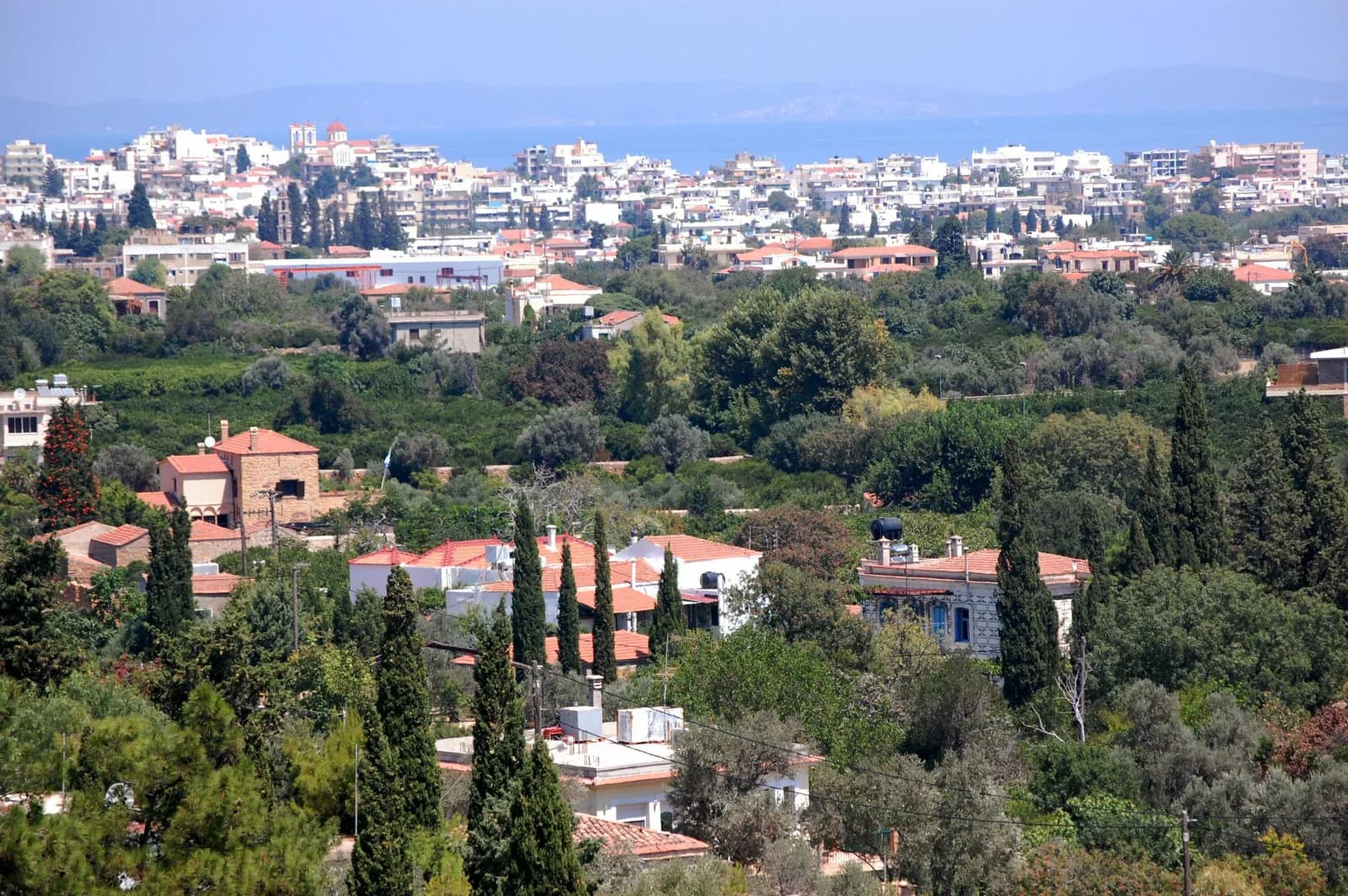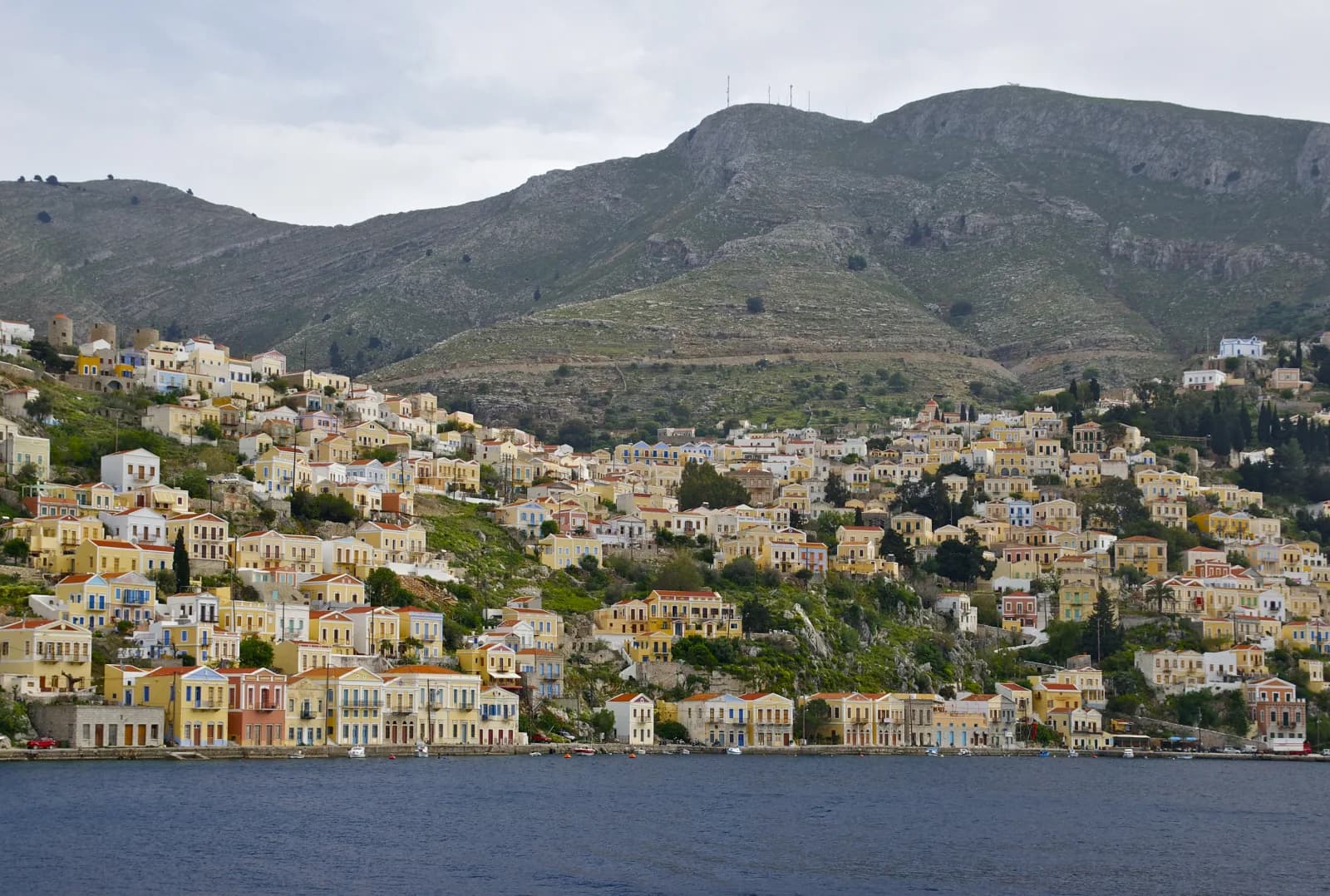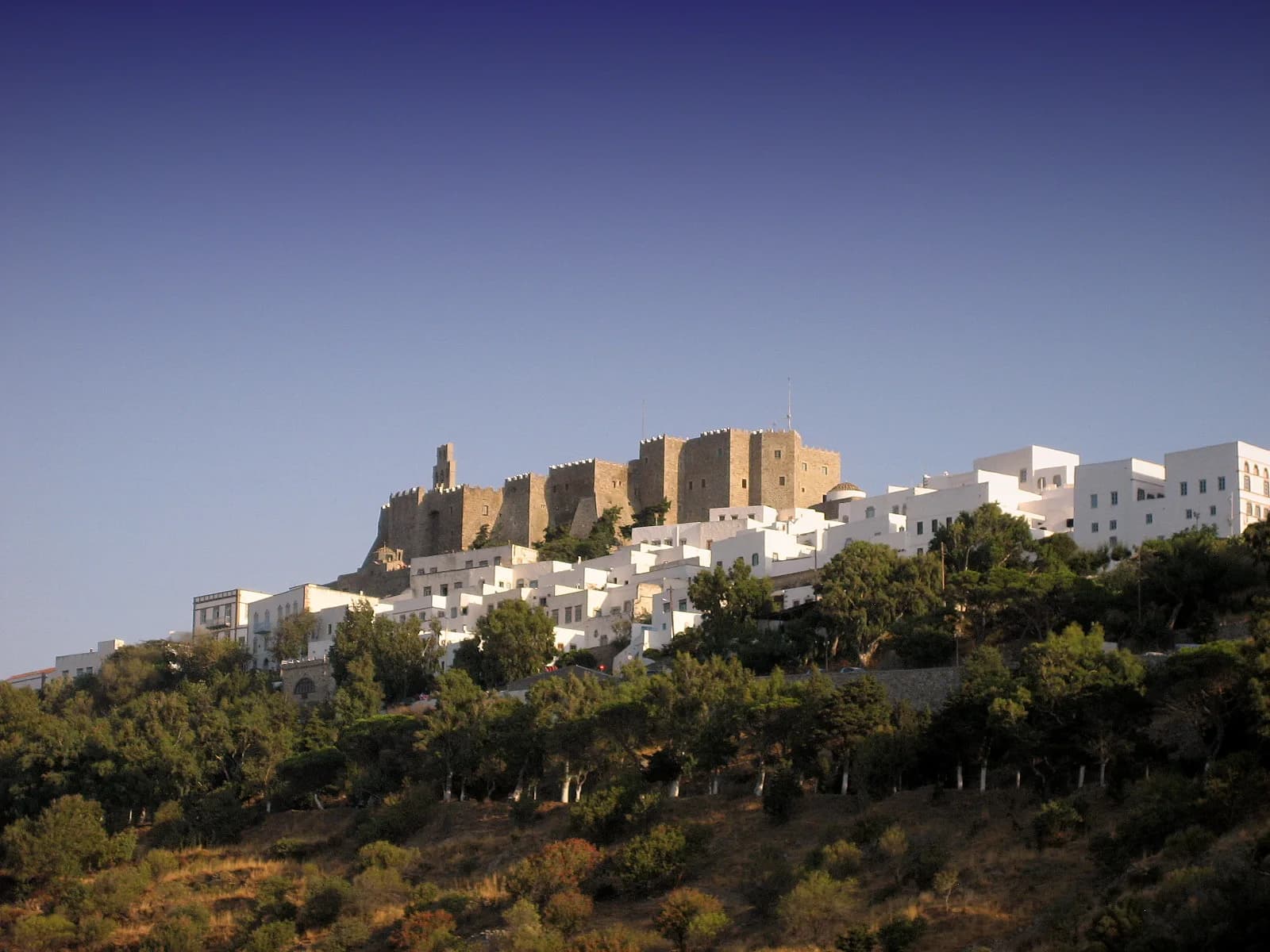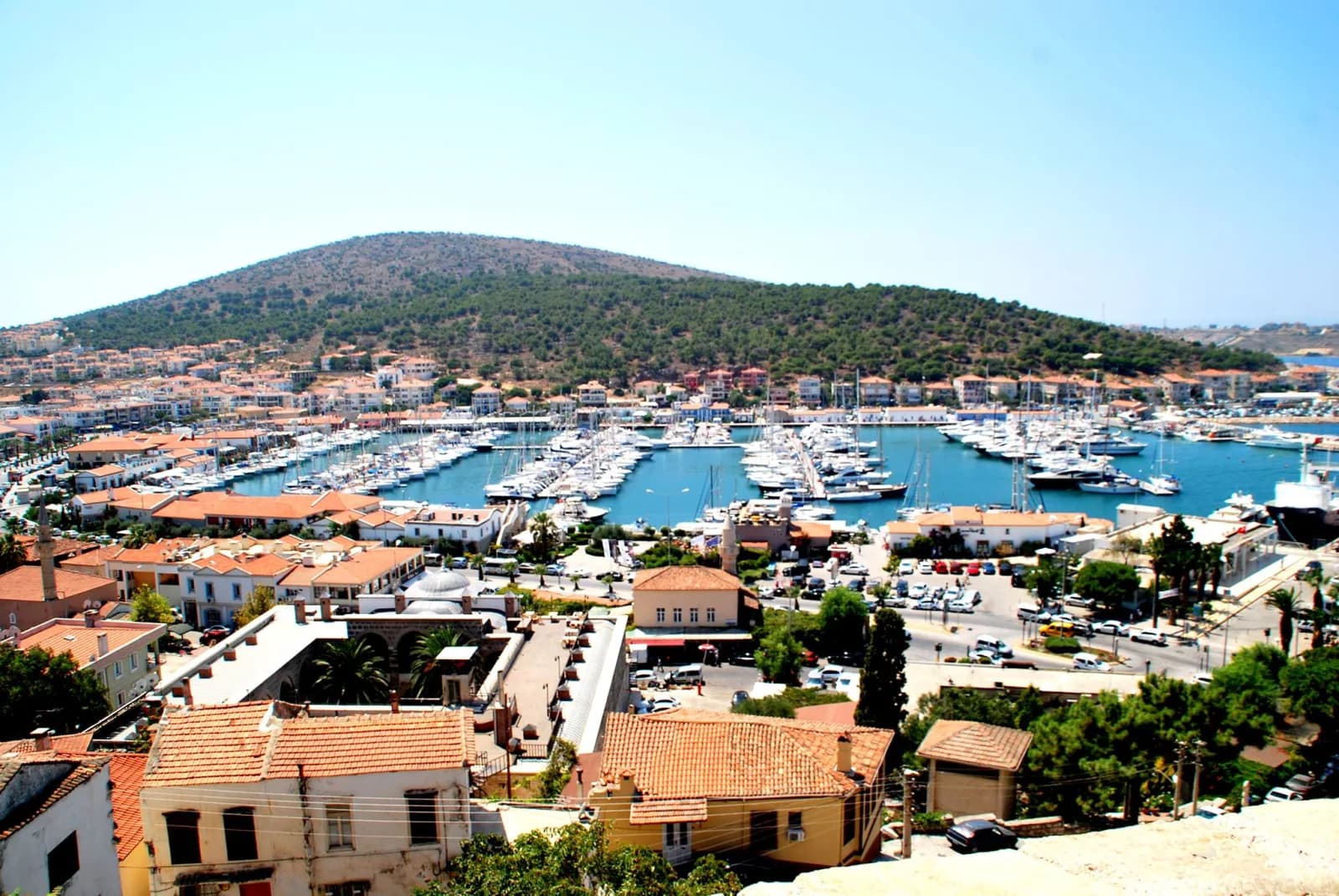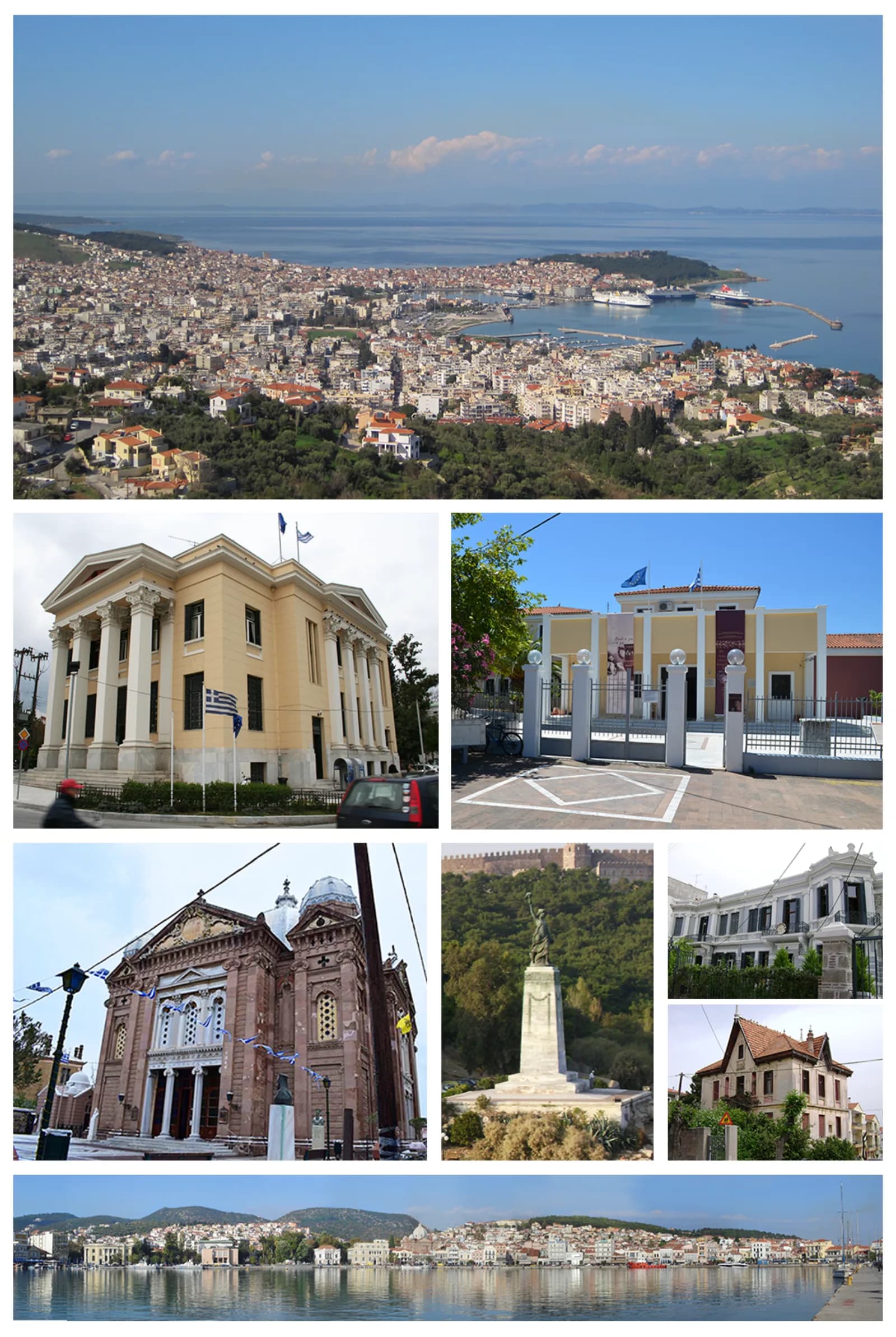
Nestled in the cool waters of the North Aegean, just a breath away from the Turkish coast, Lesvos stands as one of the Aegean's most special destinations, boasting a rich history, magnificent nature, and abundant cultural heritage. It offers unique experiences not only for those seeking a sea and sun holiday but also for history, nature, and gastronomy enthusiasts. In this comprehensive guide, we delve into every detail you'll need when planning your trip, from a list of things to see on Lesvos Island to hidden villages, pristine beaches, and its Turkish-Ottoman legacy.
1. About Lesvos Island: Sappho's Volcanic Island
As Greece's third-largest island, Lesvos is geographically located directly opposite Turkey's Ayvalık and Aliağa coasts. The island's geological history was shaped by volcanic activity dating back millions of years. This volcanic origin has given rise to the island's fertile lands, therapeutic thermal springs, and the world-renowned Petrified Forest.
Lesvos has been a cradle of art and literature since ancient times. The most famous female lyric poet of antiquity, Sappho, and the renowned philosopher and poet Alcaeus were born here, writing their works inspired by this island. Today, the island is known for its endless olive groves, its ouzo, which has gained worldwide fame for its unique aroma, and the delicious sardines from Kalloni Gulf.
2. How to Get to Lesvos? (Brief Travel Summary)
The most practical, fastest, and enjoyable way to reach Lesvos from Turkey is by sea. Thanks to its location and easy accessibility for Turkish tourists, the island is a top choice for weekend getaways or long summer holidays.
The most popular and closest point for crossing to the island is Ayvalık. The journey from Ayvalık by fast catamarans takes only about 45 minutes. Reliable operators such as Jalem Tur, Uğur Jale Lines, and Ertürk Lines serve this route. Alternatively, it's possible to reach the island in approximately 110 minutes with Turyol ferries departing from Aliağa, İzmir. When planning your trip, you can visit our Ayvalık Lesvos ferry tickets page to take advantage of early booking benefits and view the latest schedules.
Sample Ferry Prices for 2026 (Ayvalık-Lesvos):
- Adult: One-way 35 €, Round-trip 45 €
- Child: One-way 22,5 €, Round-trip 27,5 €
- Infant: 10 €
- Vehicle Passage: Car one-way 75 € / Round-trip 110 €; Motorcycle 40 € / 60 €
Note: Turkish citizens require a passport and a valid Schengen visa to enter the island. For those without a visa, the Visa on Arrival program, specially implemented for the Eastern Aegean islands, offers great convenience. For more detailed travel information, you can review our Ayvalık-Lesvos ferry guide page and Aliağa-Lesvos routes page.
3. Mytilene: Capital, Castle, and Ancient Theater
The administrative center and heart of the island, Mytilene (Lesvos city), is the first point that greets you when you disembark from the ferry. The city, shaped around Mytilene (Lesvos) Port, stands out with its lively atmosphere, neoclassical mansions, and historic bazaar. Starting your itinerary of things to see on Lesvos Island from the capital is the best approach.
The most significant structure defining the city's skyline is Mytilene Castle, built during the Byzantine period and later expanded by the Genoese (Gattilusi family) and the Ottomans. Situated on a pine-covered hill, the castle sheds light on the island's defensive history. Immediately near the castle is the Ancient Theater, dating back to the Hellenistic period and expanded during Roman times. Renowned for its acoustics, this theater is said to have inspired Pompey's Theater in Rome. The Archaeological Museum in the city center houses unique artifacts showcasing the island's rich history from antiquity to the Roman era.
4. Molyvos and Petra: The Island's Pink North
Located in the north of the island, Molyvos (Mithymna) is undoubtedly Lesvos' most photogenic and touristic town. Also known as the "pink stone" town, Molyvos boasts a fairytale atmosphere with its traditional stone houses built on a steep slope, narrow cobblestone streets adorned with bougainvillea, and the Genoese Castle proudly rising at its peak. The seaside tavernas in the harbor area are among the best spots on the island to enjoy fresh seafood against the sunset.
Petra, situated very close to Molyvos, takes its name from the colossal rock rising in its center. To reach the 18th-century Church of Panagia Glykofilousa, built atop this rock, you must climb 114 steps carved into the rock. The panoramic Aegean view you'll encounter at the summit will be well worth the effort.
5. Plomari and Ouzo Culture
The birthplace of ouzo, the first drink that comes to mind when thinking of Lesvos, is the town of Plomari in the south of the island. With its narrow streets, old soap factories, and traditional coffee houses, Plomari possesses an authentic soul and is home to world-renowned distilleries like Barbayanni, which has been operating since 1856.
By visiting the Ouzo Museum in the town, you can learn about the stages of ouzo production, the distillation process of anise, and the place of this drink in the island's cultural fabric. After swimming in Plomari's cool waters, savoring local mezes with an ice-cold ouzo at a seaside taverna will be one of the unforgettable moments of your Lesvos trip.
6. Eresos and Sappho's Footsteps
Located in the southwest of the island, Eresos holds historical significance as the birthplace of Sappho, the legendary lyric poet of antiquity. Sappho's lyrical poems and works expressing her admiration for women have made Eresos an international attraction throughout history.
The coastal part of the village, Skala Eressos, is famous for its 3-kilometer-long golden sandy beach, clear waters, and bohemian atmosphere. Stylish cafes, vegetarian restaurants, and art galleries lining the coast give Skala Eressos a much different, free, and relaxed vibe than other parts of the island.
7. Sigri and the Petrified Forest (UNESCO Geopark)
At the westernmost tip of Lesvos, Sigri holds a worldwide treasure for nature lovers and geology enthusiasts: the Petrified Forest. These trees, fossilized approximately 15-20 million years ago due to volcanic eruptions in the region, are now included in the UNESCO Global Geopark network.
The Natural History Museum in the region perfectly narrates the story of this unique geological formation. Walking among the gigantic petrified sequoia trees, which have preserved their roots, branches, and leaves, is like traveling millions of years back in time.
8. Authentic Villages: Mantamados, Agiasos, Kalloni
On your list of things to see on Lesvos Island, you must include the traditional villages in the island's interior. These villages offer the most unspoiled forms of Greek island life:
- Mantamados: Famous for its traditional pottery and ceramic workshops. The Monastery of Taxiarches, one of the island's most important religious centers believed to perform miracles, is also located in this village. Don't leave without trying honeyed yogurt in the village square.
- Agiasos: A colorful mountain village nestled at the foot of Mount Olympos (Pelion), surrounded by lush chestnut and pine forests. It stands out for its wood carving and ceramic handicrafts. Sipping Greek coffee in its traditional cafes is a great pleasure.
- Kalloni: Located in the very center of the island, on the shores of the large gulf that bears its name. It is the center for the world-famous Kalloni sardines (papalina). Additionally, the wetlands in Kalloni Gulf host hundreds of bird species, including flamingos, in spring and autumn, making it a paradise for birdwatchers.
9. Therma's Thermal Springs
As a gift of its volcanic structure, Lesvos boasts numerous therapeutic hot springs. The Therma region, near the Gulf of Gera, hosts the island's most well-known thermal facilities. Used for healing since ancient times, these natural hot waters are particularly beneficial for rheumatism and skin conditions. Enjoying the hot water in historic stone pools amidst olive trees, overlooking the sea, will add a relaxing break to your trip.
10. Lesvos' Beaches
Lesvos is home to magnificent beaches that cater to every taste. Whether you're looking for an organized sandy beach or a secluded cove, there's definitely a spot for you on the island. (For more island inspiration, you can check the Greek National Tourism Organization's Lesvos page.)
- Vatera: Located in the south of the island, it is Lesvos' longest sandy beach, stretching approximately 8 kilometers. It has calm and clean waters, ideal for families.
- Skala Eressos: As mentioned earlier, it stands out with its 3 km of golden sand and water sports facilities.
- Skala Sykaminias: In the north, it's a charming fishing cove shaded by a gigantic mulberry tree. It's more appealing for its atmosphere and seafood restaurants than its beach.
- Agios Isidoros: This pebble beach near Plomari is wonderful for snorkel enthusiasts with its crystal-clear waters.
- Petra and Anaxos: With their proximity to the Molyvos region, their shallow waters, fine sands, and rich coastal amenities make them favorites, especially for families with children.
11. Turkish-Ottoman Heritage
Lesvos, which remained under Ottoman rule for many years, still bears the traces of Turkish-Ottoman architecture today. The Turkey-Greece Population Exchange in 1923 left deep marks on the island's demographic and cultural structure, creating a strong shared history.
While strolling through the historic bazaar of the capital, Mytilene, you will encounter the New Mosque and the Valide Mosque, which are among the most important religious structures of the Ottoman period on the island. Additionally, Sigri Castle, built in 1757 by Ottoman admiral Süleyman Pasha at the western tip of the island, was constructed to protect the region against pirate attacks. The stone houses from the exchange period, hammam ruins, and elegant Ottoman fountains scattered throughout the island silently bear witness to the shared past of both shores.
12. Lesvos Cuisine: Ouzo, Sardines, Ladotyri
Lesvos cuisine brings the generosity of the North Aegean to the table. The island's gastronomic identity rests on three main pillars:
- Ouzo: The symbol of the island. Lesvos ouzo is considered the best in Greece due to its high-quality anise and traditional distillation process in copper stills.
- Kalloni Sardines (Papalina): These small sardines, caught in the nutrient-rich waters of Kalloni Gulf, are usually caught in the morning and served raw (pasto) after being salted for just a few hours.
- Ladotyri: A traditional type of hard, intensely flavored cheese made from a mixture of sheep and goat milk, specially ripened and aged in olive oil.
In addition to these, dishes prepared with the island's high-quality olive oils, stuffed zucchini flowers, grilled octopus, and fresh calamari are indispensable items in Lesvos tavernas.
13. Transportation on the Island and Car Rental
Lesvos is a considerably large island in terms of area, and its places to visit are scattered across different ends of the island. For example, the distance between the capital, Mytilene, and Sigri in the west is approximately 90 kilometers.
Although public transportation services are provided by KTEL buses on the island, schedules can be infrequent and do not reach every village or cove. Therefore, the most logical option for thoroughly exploring the island is to rent a car. Car rental prices vary seasonally, averaging between 35 € and 55 € per day. Crossing with your own vehicle by ferry (Round-trip 110 €) is also a very economical alternative for longer stays.
14. When to Go? (Climate Table)
The ideal period to visit Lesvos is between May and October. July and August are the peak season, when the island is hottest and busiest; however, the northern winds (Meltemi) that blow during the summer months cool the air. June and September are periods when the sea water is at an ideal temperature, crowds are smaller, and prices are more favorable.
| Months | Average Temperature (°C) | Season Characteristic |
|---|---|---|
| April - May | 18 - 24 | Spring, nature walks, tranquility. |
| June - September | 26 - 30 | Ideal sea holiday, warm water, moderate crowds. |
| July - August | 32 - 35 | High season, hot, windy, lively nightlife. |
| October | 22 - 25 | Autumn tranquility, affordable prices, cool sea. |
15. Sample Budget (Table)
To give you an idea when planning your Lesvos trip, you can find a sample budget table for 2 people for 4 nights below. (Prices are based on 2026 estimates and averages.)
| Expense Item | Estimated Amount (2 People / 4 Nights) | Detail |
|---|---|---|
| Ferry (Ayvalık-Lesvos) | 90 € | Adult Round-trip (45 € per person) |
| Accommodation | 240 € - 320 € | Mid-range hotel/guesthouse (60-80 € per night) |
| Food & Drink | 300 € - 400 € | 2 taverna meals daily + snacks |
| Car Rental (4 Days) | 140 € - 220 € | 35-55 € daily (excluding fuel) |
| Activities and Museums | 40 € - 60 € | Castle, museum entrances, and beach expenses |
| Total Estimated Budget | 810 € - 1090 € | Excludes personal shopping. |
16. Practical Tips
- Siesta Time: A siesta is observed on the island in the afternoon (usually between 14:00 - 17:00). Many shops and pharmacies may be closed during these hours, so plan accordingly.
- Travel Times: Lesvos' roads are generally winding and mountainous. Distances that appear short on the map may take longer than expected by car. For example, the journey from Mytilene to Molyvos takes approximately 1 hour.
- Plugs and Internet: The same type of plugs (Type C/F) as in Turkey are used. Free Wi-Fi is available in hotels and most tavernas.
- Official Documents: Ensure your passport's validity period is at least 3 months (preferably 6 months) from your travel end date. Always confirm Visa on Arrival application requirements from official sources.