Nestled in the azure waters of the Aegean Sea, north of the Dodecanese islands, Patmos is a small, serene paradise that captivates visitors with its mystical atmosphere and rich history. This unique island is a top choice for those seeking faith tourism and boutique holidays, promising an unforgettable experience with its abundance of places to visit in Patmos. Known as the Jerusalem of the Aegean due to its profound significance in the Christian world, Patmos is a perfect destination for those seeking both a spiritual journey and a peaceful seaside escape.
In this comprehensive guide, we will explore Patmos Island step-by-step, covering its UNESCO World Heritage sites, whitewashed streets, crystal-clear waters, and traditional flavors. We've compiled all the essential details, transportation options, and best routes you'll need to plan your trip.
About Patmos: The Jerusalem of the Aegean
Located in the northernmost part of the Dodecanese island group, Patmos stands out with its volcanic hills, intricate lace-like coves, and well-preserved architectural heritage. The island's most distinctive feature is its spiritual and tranquil atmosphere, preserved for centuries. Having successfully remained untouched by the noise of mainstream tourism, the island is a haven for discerning travelers seeking serenity. According to Christian belief, it was here that St. John was exiled and wrote the Book of Revelation (Apocalypse), the final chapter of the New Testament, making the island a globally significant pilgrimage site.
Patmos is renowned not only for its religious significance but also for its villages, which showcase some of the finest examples of traditional Aegean architecture. If you're planning a broader itinerary, you can explore the island's geographical location and its connections to other islands by visiting our Greek Islands page.
How to Get to Patmos? (Brief Transportation Summary)
Getting to Patmos from the Turkish coast is quite practical, especially with ferry services operating during the summer months. As there is no airport on the island, the only way to reach it is by sea. For visitors wishing to travel to the island from Turkey, the most popular departure points are on the Bodrum peninsula.
- Travel from Bodrum: You can enjoy a comfortable journey to the island with Bodrum - Patmos ferry services, which operate throughout the season. Services are generally seasonal and may sometimes involve a transfer via Kos.
- Travel from Turgutreis: As an alternative route, you can also consider the Turgutreis - Patmos line. Since frequency and transfer conditions vary by season, it's important to check the current schedule before your trip.
For more comprehensive information on sea travel in the Aegean and to explore different routes, our article titled Turkey - Greek Islands Ferry Guide will assist you. Furthermore, Patmos is one of the islands included in the Dodecanese visa-on-arrival program. If you do not have a valid Schengen visa for your trip, you can visit the island by utilizing the Greek Islands Visa-on-Arrival application.
Places to Visit in Patmos: History and Architecture
Although the island is small, its historical and cultural heritage is vast. At the top of the list of places to visit in Patmos are the religious structures that define the island's silhouette and are protected by UNESCO.
Monastery of Saint John the Theologian (UNESCO)
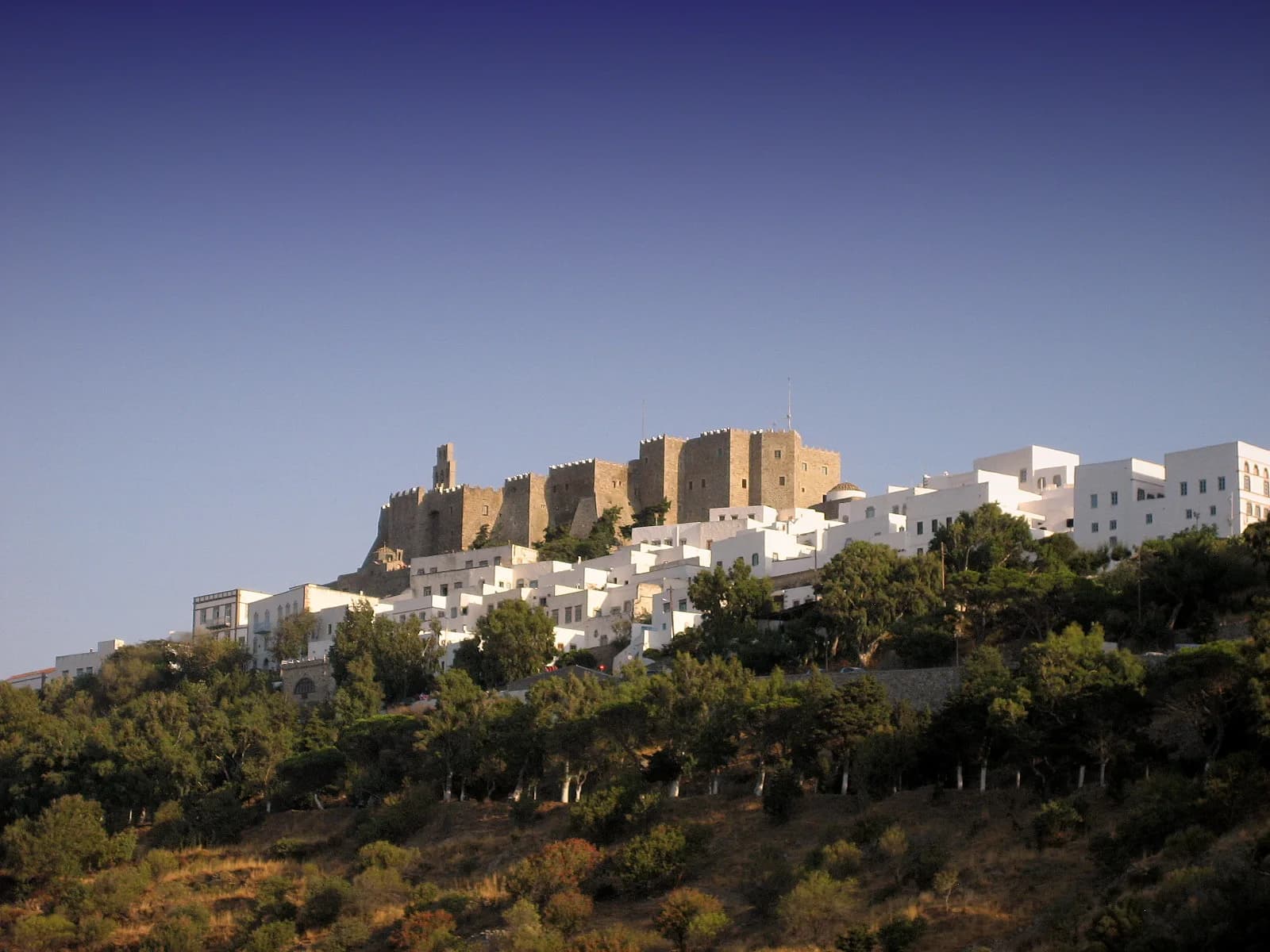
Perched on the island's highest hill, in the very heart of Chora village, the Monastery of Saint John the Theologian resembles a colossal Byzantine fortress from afar. Built in 1088, this fortified monastery is surrounded by high, thick walls to protect against pirate attacks. Its museum, housing priceless manuscripts, icons, and religious artifacts, is a unique treasure for history and art enthusiasts. The panoramic view of the Aegean Sea and surrounding islands from the monastery's courtyard is simply breathtaking.
Cave of the Apocalypse
Located on a pine-covered hillside between Chora and Skala, the Cave of the Apocalypse is considered one of the holiest sites in the Christian world. According to tradition, St. John lived in this cave when he was exiled to Patmos by Roman Emperor Domitian in 95 AD, and it was here that he received divine revelations, dictating them to his disciple Prochorus to form the Book of Revelation (Apocalypse), the final chapter of the New Testament. The triple crack in the cave's ceiling symbolizes the Holy Trinity. This spiritual site, listed as a UNESCO World Heritage site, is the epicenter of the island's mystical identity.
Chora and Skala
Patmos's main settlements consist of two distinct areas that reflect the island's character:
- Chora: Built around the Monastery of Saint John, Chora is one of the Aegean's best-preserved traditional villages, with its narrow, labyrinthine streets, whitewashed cubic houses, and aristocratic mansions. Getting lost in its bougainvillea-draped alleys, exploring chic boutiques and art galleries, is an essential part of any Patmos trip.
- Skala: This is the island's main port and most vibrant center. Where ferries dock, this area bustles with activity at all hours, featuring tavernas, cafes, bakeries, and shops lining the waterfront. Most accommodation and dining options are concentrated in Skala.
Beaches of Patmos
Patmos offers wonderful options to satisfy sea lovers with its calm, boutique, and peaceful beaches. The island's indented coastline has created many secluded coves protected from the winds.
| Beach Name | Surface Type | Key Features |
|---|---|---|
| Psili Ammos | Fine Sand | The island's most famous sandy beach. Accessible by boat or a challenging hike. Its turquoise waters and tamarisk trees make it quite exotic. |
| Lampi | Colorful Pebbles | Named after its bright, multi-colored pebbles reflecting the sun. Known for its tranquility and excellent tavernas along the shore. |
| Grikos | Sand and Pebbles | Voted one of the world's most beautiful bays. Thanks to the islet of Tragonisi opposite, it is calm and safe, like a lake. |
| Kambos | Sand | The island's most organized and popular beach. Ideal for families due to its water sports facilities, shallow sea, and surrounding amenities. |
Patmos Cuisine
As with Greek islands in general, Patmos offers some of the freshest and most delicious examples of Mediterranean cuisine. However, the island has some unique signature dishes, chief among them being Pougia. This local dessert, filled with walnuts, almonds, and honey, then baked or fried, is the island's most famous delicacy. Additionally, locally produced cheeses (such as mizithra) are indispensable for breakfasts and salads.
In Patmos's tavernas, which are rich in seafood, you can savor classic Aegean delights like daily fresh fish, grilled octopus, and calamari, all while enjoying the island's peaceful atmosphere.
Transportation on the Island
As Patmos is a small island in terms of area, transportation is quite easy. There are regular bus services between Skala (Port), Chora (Main Town), and major beaches like Grikos and Kambos. If you wish to create a more flexible itinerary and explore hidden coves, you can rent a car, scooter, or ATV from rental offices in Skala. Taxis are also available for reaching various points on the island. For beaches difficult to access by road, such as Psili Ammos, you can enjoy a pleasant journey with small excursion boats departing from Skala port.
When to Visit?
Patmos has a typical Mediterranean climate. The best times to visit the island are from late spring to early autumn, when the sea water is warm and the weather is sunny. As an island focused on religious tourism, it also experiences significant activity and special rituals during Orthodox Easter.
| Season | Months | Atmosphere and Recommendations |
|---|---|---|
| High Season | July - August | The hottest months for a beach holiday. Ferry and accommodation bookings are highly recommended in advance. |
| Ideal Season | May, June, September | The perfect period to explore the island, with pleasant temperatures and fewer crowds. |
| Low Season | October - April | Most tourist facilities are closed. Suitable only for those seeking spiritual retreat and absolute tranquility. |
Sample Budget Planning
As Patmos focuses on boutique tourism rather than mainstream mass tourism, you should consider it a more exclusive destination compared to other larger islands when planning your budget. Since current prices can vary seasonally, it is recommended to confirm them with official sources and booking platforms before your trip.
| Expense Item | Budget Level | Description |
|---|---|---|
| Accommodation | Medium - High | While affordable guesthouses can be found in Skala, prices are higher in Chora and boutique hotels. |
| Food & Drink | Medium | Menus featuring seafood and meze in traditional tavernas are generally in line with Greek island averages. |
| Transportation (On-Island) | Low - Medium | Local buses are very economical. Car rental prices vary by season. |
Practical Tips
To make your Patmos trip perfect, it's worth paying attention to a few small details:
- Dress Code: When visiting religious sites like the Monastery of Saint John and the Cave of the Apocalypse, it is mandatory to wear respectful clothing that covers your shoulders and knees. Otherwise, you may be required to use coverings provided at the entrance.
- Footwear: Opt for comfortable walking shoes, especially when exploring Chora's cobblestone, narrow, and hilly streets, and the area around the monastery.
- Wind Factor: The Aegean's meltemi winds are also felt on Patmos. Be sure to bring a light cardigan or jacket for the evenings.
- If you wish to follow international updates about the island from Greece's official tourism portal, you can visit the Visit Greece Patmos page.
Patmos is not merely a tourist destination to visit, but a unique experience to be felt, a place to soothe the soul. To experience the perfect harmony of history, faith, and the natural beauty of the Aegean, you can set your course for this mystical island.